Skip to content

Category: inclusive design

Creating a More Humane Social Order

Writer, disability-justice activist and performance artist Leah Lakshmi Piepzna-Samarasinha knows that it’s possible for society to become more equitable. They envision a future in which “people are free to be, regardless of their ability to fit into capitalist institutions.”

‘The Future Is Disabled’ book review from Ms. Magazine

I’m excited by the work of activists like Leah Lakshmi Piepzna-Samarasinha. And their latest book that “lays out a bare-bones agenda for what is needed to make the U.S. more socially just: affordable, available and accessible housing; healthcare and pharmacare; a universal basic income for all residents; free, high-quality public education programs; and the elimination of punitive policing and incarceration.” A resounding YES PLEASE to all of it!

Unfortunately, the systems in place are resistant to change. Instead, those in power propose much smaller, incremental tweaks. For example, recently the State Department announced the finalization of their Five-year Diversity, Equity, Inclusion, and Accessibility (DEIA) Strategic Plan. Don’t get me wrong, this more intersectional approach is a step in the right direction. But it will only protect federal employees. Only 20% of people with disabilities are employed, compared to 64% of non-disabled people, according to the U.S. Bureau of Labor Statistics. That’s a huge gap. Only 4% of DEI initiatives include disability and that’s just in organizations that even have a DEI initiative. Most companies don’t have their disabled employees or customers in mind. A perfect example came from the amazing Meryl Evans. Yesterday she posted about her experience with an Apple Watch, and more.

“People with disabilities can bring a lot more to your team than what you see on their resumes.

They have an uncanny ability to come up with innovative ideas and solutions. Feeling excluded has a way of driving people with disabilities.

For instance, I never wanted an Apple Watch. I hadn’t worn a watch in years. A friend convinced me to try it. It made my life as a deaf person easier!

How? It became an accessibility tool.

It buzzes when cooked food is ready. No more overcooked food! It buzzes when someone is at the door. No more packages sitting on the porch for stealing. No more leaving my sister stranded on my doorstep when she dropped by unexpectedly.

No one advertises these benefits. Apple never marketed it that way. If they had, they may have gotten more buyers and fans.

These are examples of how someone who is different from you can innovate and come up with creative solutions.

We don’t always click when we meet someone. This isn’t because of a bad interview. We tend to click with those most like us. You’ll gain more when hiring someone different from you.

The thought of creating a more accessible hiring process feels overwhelming. Just start. How can you get started?

– Ask every candidate what accessibility they require.
– Verify the online application process is accessible for keyboard-only navigation and works with screen readers.

These are starting points. Keep working on it and adding more pieces. Progress over perfection. Just start.”

Again, yes to all of these things! I’m neurodivergent and have an auditory processing disorder. I wear noise-canceling headphones a good portion of the day. The Apple Watch’s haptic feedback has made my life so much easier too. And I want that for others. There’s so much we could do, as a society, to improve the quality of life for our fellow humans. But the pace of change is moving too slowly. More people are being forced to survive with less…while profit margins are on the rise for those at the top. We could all be thriving instead.
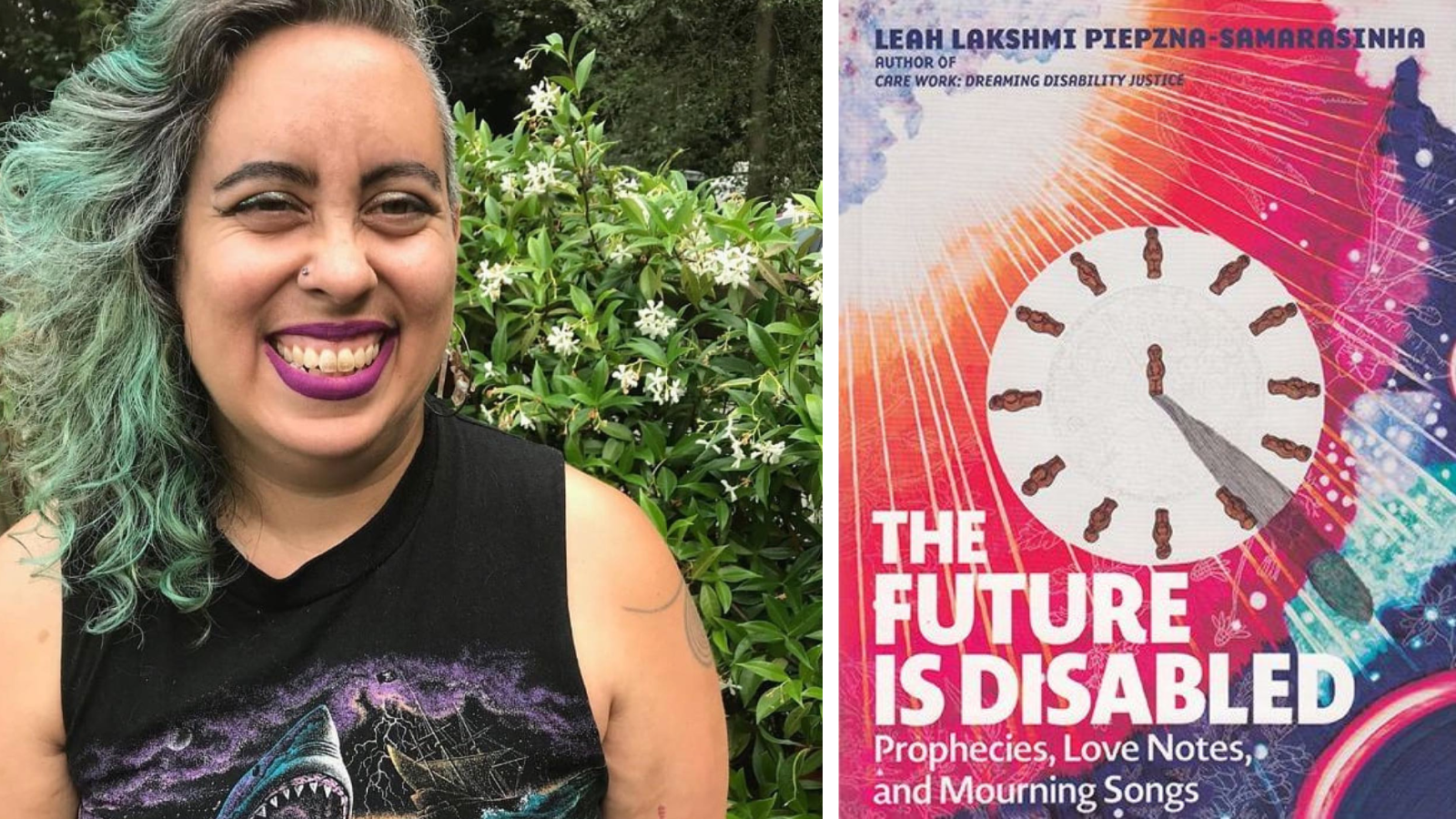
Author Leah Lakshmi Piepzna-Samarasinha on the left, a femme non-binary person with green hair, and the cover of their book on the right, The Future Is Disabled
Leave a Comment

Inclusive Design 24

September is id24 time! I didn’t think of it in time this year, but I have gotten approval to have my employer support the conference in 2023. For now, I will follow along September 21st into September 22nd.

The inspiration behind Inclusive Design 24 (#id24) was to bring together the global community to share knowledge and ideas without the difficulties of attending a traditional conference. From the beginning, #id24 has only been possible because of the community. It took just three weeks to organise the first conference, and everyone gave their time generously. We had no budget, but many respected and notable people gladly agreed to give a talk because they wanted to help. 

About #id24

This year’s schedule is fantastic, just like past years, celebrating inclusive design and sharing accessibility knowledge. All the videos will be available on YouTube in this playlist.

inclusive design 24 banner with black text on a yellow background
Leave a Comment

Giving, Receiving, and Sharing Information

Occasionally people outside of my field ask me to explain digital accessibility. I like to break it down to the basics. It’s about communication. About ensuring people can access information, unhindered. There’s a lot more nuance to it, of course. Especially with the minutiae involved in making that happen. But providing a few common examples usually gets the point across. For example, say you built a desktop web page. And users can only identify a link by hovering over it with a mouse or activating the link by clicking on it. Then people who use keyboards without a mouse will be unable to access the links. Likewise, for visually impaired and blind folks who use screen readers, an image on its own isn’t going to be useful. Unless that image is paired with a decent description of it.

Alt Text

A couple of things are on my mind today. First, alternative text on twitter. A while back, I started following the AltTxtReminder account. If you follow that account, you will automatically receive a direct message letting you know when you’ve posted an image without alt text. Twitter doesn’t allow editing published tweets, but one option is to quickly delete the tweet and recreate it with alt text. I think AltTxtReminder is a wonderful service but the account only has about 20,000 followers. A drop in the bucket considering there are close to 400 million twitter users. Today, Twitter officially began rolling out a similar feature. Twitter announced that this feature has been pushed to 10% of global users. Pretty neat.

Fun with Captions

First off, captions are designed for viewers who cannot hear the audio in a video. Subtitles are designed for viewers who can hear but do not understand the language being spoken in the video. I see these terms being used interchangeably. As in this fun write-up: Wet Writhing and Eldritch Gurgling: A Chat With the Stranger Things Subtitles Team. I’m a fan of the show and I’m glad other folks who enjoy it are getting a kick out of the captions. But sometimes less is more. I follow Deaf accessibility professional Meryl Evans on LinkedIn and Twitter and find her posts to be insightful.

If I notice the captions, it’s usually a sign that there’s a problem. I noticed them in Season 4, Chapter 5. There were too many sound captions. It took away from the show.

Imagine watching a baseball game and the captions show [thwack] every time someone hits the ball or [blip] when the ball lands in a glove. That would weigh down the viewing of the game.

Every sound does not need captioning. Just like when we describe images in alt text, the key is to describe them in context to the content. We don’t describe every single detail, only the key points.

The key is to answer: What sound is important to the story that may not be obvious from visuals?

Meryl Evans on LinkedIn

She has additional information on her site including a Captionioning Videos FAQ page and a Complete Guide to Captioning.

Representation

Lastly, a Twitter user posted a video of their latest Lego acquisition:

I got this minifig with a wheelchair and I was so excited like “ooh look at this representation” but turns out it’s also a representation of accessibility issues bc the wheelchair doesn’t fit through the door frames.

T.L. Pavlich

How bittersweet. But as Meryl Evans often says, this is about progress, not perfection.

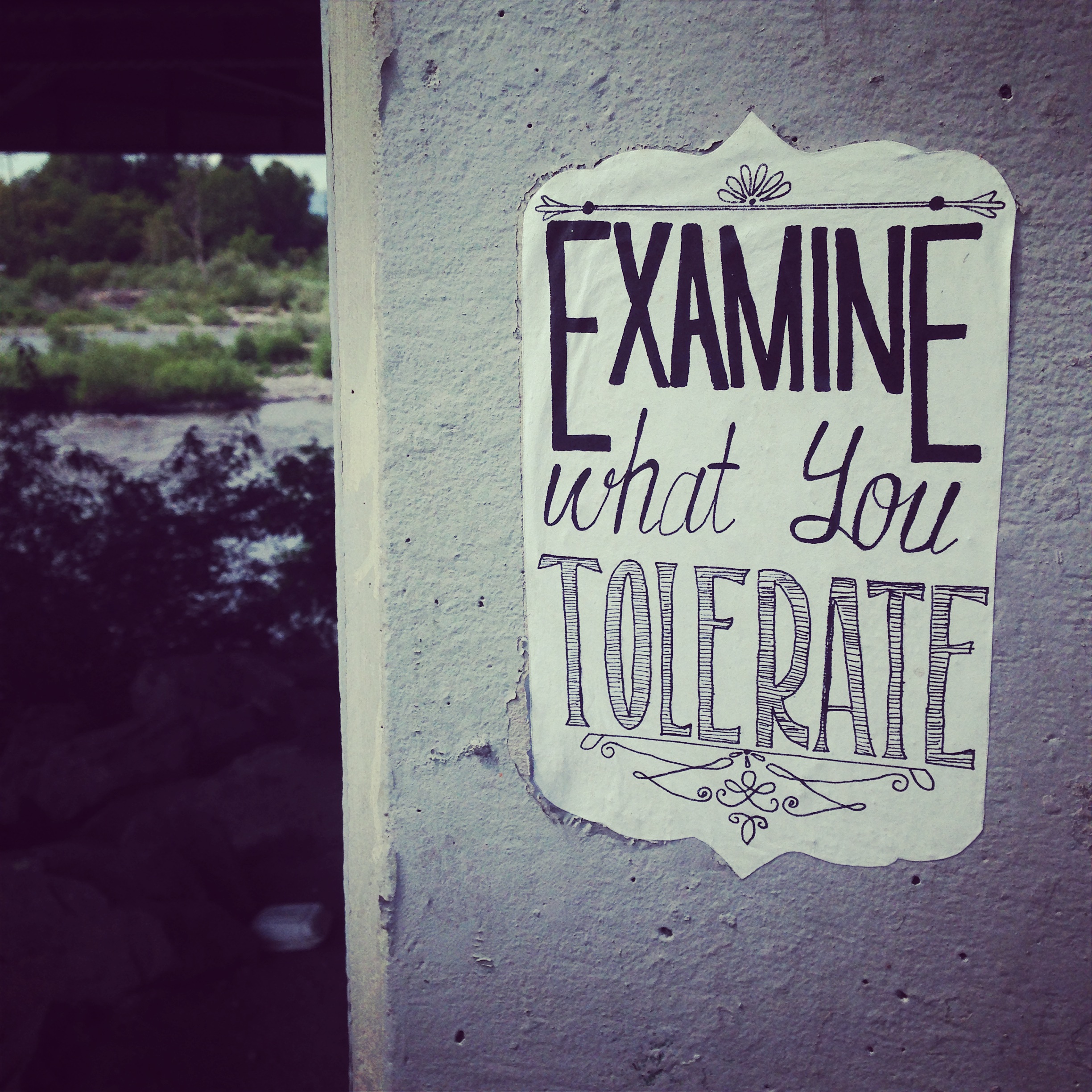
A stone wall with a paper sign affixed to it with the text Examine what you tolerate
1 Comment

The Good, the Bad and the Ugly

The Good: Not directly related to accessibility, but positive news nonetheless — Google and Figma are bringing Figma to education chromebooks. Figma has some accessibility issues of its own, but it is an incredibly robust tool that can be used to design accessible, reusable components in design systems. When I teach the front-end website design class at Minneapolis College, I tell my students that Figma is like Google Docs for design. And have them use it to build design briefs, mood boards, and mockups as I talk about how Figma can be used to promote accessibility.

The Bad: I spend a significant amount of time listening to podcasts. Unfortunately, even many of my favorite podcasters have not invested the time to make their podcasts more accessible. It could be that they are unaware of the need to do so, or how to go about it. Recently, someone in my network shared a great resource intended to help podcasters.

Your podcast should be accessible. But what does that mean, exactly? Why should you care? What can you do to improve the accessibility?

Podcast Accessibility

The Ugly: I’m solidly GenX. When I was growing up, I would have been awed to know that one day I would have a powerful computer in my pocket — or hand — at all times. But I also recognize the inherent danger of smartphones. And now a study bears that out.

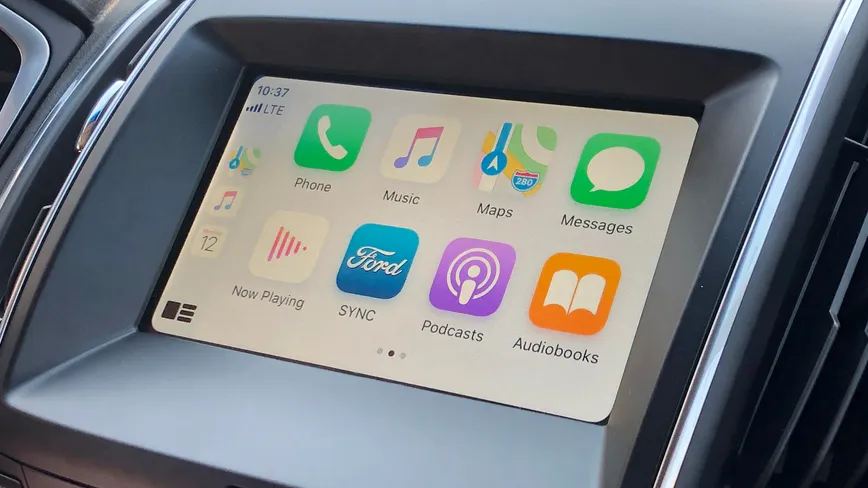
Apple CarPlay, Android Auto distract drivers more than pot, alcohol, says study: A new study says driver reaction times using this tech were worse than motorists with alcohol or cannabis in their system.

CNET Auto Tech
Screen in car showing Apple Carplay apps
Leave a Comment

Accessibility Tech News

Historically, Memorial Day marks the kickoff to summer in the US. A big deal where I live, in Minnesota, where winters seem to linger later and later. After a chilly spring, we are particularly ready for outdoor summer fun this year. And now that can be more inclusive. Track chairs are coming to Minnesota state parks! Starting tomorrow, they will be available for reservation by phone.

Track chairs are off-road, electric-powered chairs that can be used on designated trails within the park. These chairs can help visitors explore areas of the state parks in new ways, often on trails that are not suitable for regular wheelchairs.

MN Department of Natural Resources

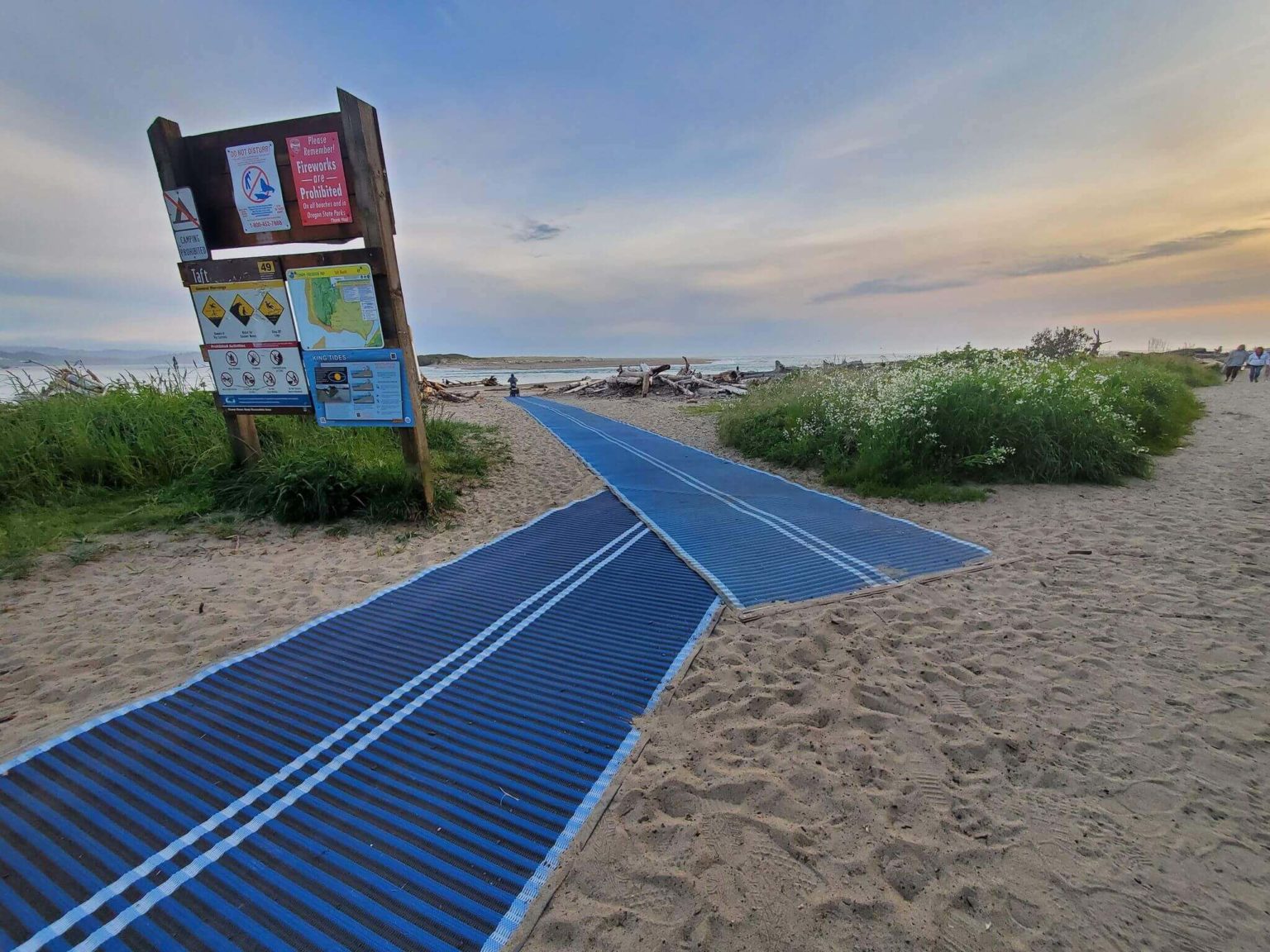
And that’s not only in my neck of the woods. Lincoln City, Oregon now has free beach wheelchairs and accessible paths:

They found a way to make their beaches accessible to individuals with limited mobility, using the simple, innovative concept of roll-out pathways and free beach wheelchairs. The idea has revolutionary implications.

That Oregon Life

In other positive accessibility news:

A beach in Lincoln City, Oregon with roll-out pathways with free beach wheelchairs
1 Comment