Accessibility Does Not Stop at the Screen
I have spent more than thirty years working in the digital space. For the last eleven years, I have focused specifically on accessibility. Before that, I worked across nearly every part of the software development lifecycle, from design and development to testing, remediation, and delivery.
Today, I help organizations reduce risk, strengthen governance, and build systems that account for disability and the full spectrum of human variability.
I think about WCAG. I think about keyboard access. I think about cognitive load, predictable navigation, and plain language. I focus on reducing user frustration. Most importantly, I think about how small design decisions either create dignity or cause barriers.
Over time, that mindset has shaped how I evaluate every system I encounter. When systems assume speed, precision, and uniform behavior, they exclude people. When systems account for variability, they reduce harm.
But accessibility does not stop at the screen.
Some systems carry consequences far greater than a broken checkout flow or an inaccessible PDF. Law enforcement is one of them. And too often, that system operates without accounting for how disabled people process, communicate, regulate, and respond under stress.
And for disabled people, that system often operates without accounting for how we process, communicate, regulate, and respond under stress.
When Misinterpretation Becomes Harm
In digital accessibility, we frequently identify mismatches between user needs and system expectations. When a system demands rapid processing speed, perfect recall, direct eye contact, or immediate compliance, disabled users are penalized.
Similarly, law enforcement interactions often rely on narrow assumptions about “normal” behavior. Officers may expect quick answers, steady tone, direct gaze, and immediate response. Yet many disabled people process language more slowly. Many of us avoid eye contact when overwhelmed. Some of us shut down under stress. Others require additional time before responding.
When authority misinterprets those behaviors as defiance or suspicion, situations escalate.
Unlike a website defect, the consequences are not inconvenience. They can include restraint, arrest, injury, or worse.
From a governance perspective, this represents unmanaged risk. From a human perspective, it represents preventable harm.
Why This Feels Personal
For me, this issue is not abstract.
As an AuDHDer, I understand what stress does to processing speed. I know how quickly my nervous system can overload. I have experienced how easily people misread my communication style in low stakes environments. I know what it feels like to search for words while someone expects an immediate response. I know how shutdown can look like refusal to someone who does not understand what is happening internally.
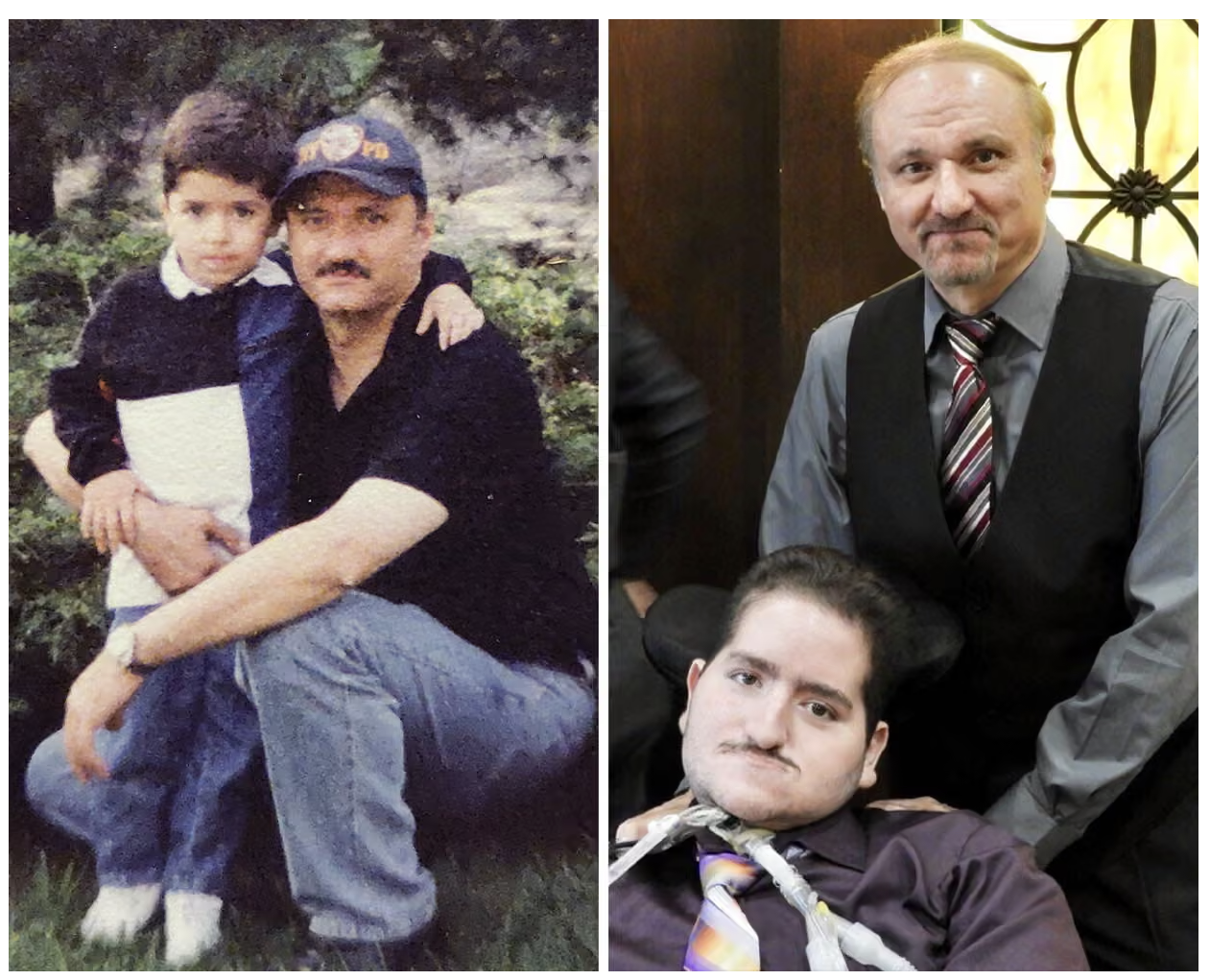
I am also the parent of an autistic adult. That perspective sharpens everything.
When I think about law enforcement interactions, I do not only think about governance frameworks or compliance obligations. I think about my child and his friends navigating a world that often interprets difference as defiance. I think about how sensory overload, delayed processing, flat affect, or literal interpretation could be misread in a moment that demands instant compliance. I think about how quickly a misunderstanding could escalate simply because someone in authority does not recognize disability.
Aliya Rahman’s story brought those fears into sharp focus.
Aliya is a Bangladeshi American software engineer and disability rights advocate who is autistic and has a traumatic brain injury. After federal agents forcibly removed her from her vehicle during an immigration enforcement operation in Minneapolis, she testified publicly about the experience. She described repeatedly informing agents that she was disabled and needed medical care. According to her account, those disclosures did not change how she was treated. She later lost consciousness while in custody and was released without charges.
She later testified before Congress about what happened. In her public testimony, which is available on YouTube, she spoke clearly and directly about the encounter. She described the physical force used against her, the dismissal of her disability, and the lasting impact of the incident. She did not present herself as a statistic. She spoke as a disabled person whose rights and safety were compromised in real time.
Subsequently, Capitol Police arrested her at the State of the Union after she stood silently in the gallery.
Watching her testimony and then seeing that arrest forced me to confront how quickly disability can intersect with power, politics, and enforcement. Standing silently. Processing differently. Responding slowly. These are not crimes. Yet in high stakes environments, they can trigger consequences when systems prioritize control over accommodation.
Her story transformed the issue from policy into proximity. It reminded me that when systems ignore disability, they do not merely inconvenience people. They expose them to physical danger. They dismiss explicit disclosures. They escalate instead of de-escalate.
As both a disabled person and the parent of a disabled adult, I cannot treat that reality as theoretical. It informs how I prepare. It shapes how I advocate. It reinforces why accessibility must extend beyond software and into every system that shapes authority, accountability, and safety.
The Weight of Helplessness
At the same time, watching federal agents use force against marginalized people can leave many of us feeling helpless.
We see large scale enforcement actions unfold. We see power exercised unevenly. We understand how small individual voices can feel in comparison to institutional machinery.
I feel that weight too.
Nevertheless, my work in accessibility has taught me that risk mitigation does not require perfection. Instead, it requires layered safeguards, documentation, and intentional design.
Preparation is not surrender. Preparation is strategy.
Before: Reduce Ambiguity
In digital accessibility, we design proactively. We do not wait for users to encounter barriers before we act.
Applying that same mindset, preparation for law enforcement interactions can include:
- Learning your legal rights and practicing how to assert them clearly
- Carrying a disability information card that explains communication needs
- Identifying emergency contacts and legal resources in advance
- Role playing scenarios to reduce cognitive load under stress
Admittedly, these steps do not eliminate systemic inequity. But they reduce ambiguity in moments where ambiguity escalates risk. They provide language ready for use. They give supporters a plan instead of panic.
In high stress moments, clarity reduces risk. Clear language under stress protects you. Predefined contacts reduce decision fatigue. A prepared script lowers cognitive load. This is defensive design for real life.
During: Make Accommodation Explicit
When stress rises, executive functioning drops. This physiological response affects everyone, and it can affect neurodivergent people and people with brain injuries more intensely.
If it feels safe to do so, state clearly, “I have a disability and I need you to speak slowly.” Ask for one instruction at a time. Request repetition or written clarification. Repeat instructions back to confirm understanding.
These are reasonable accommodations. Clarity changes outcomes.
Furthermore, clear and direct statements protect legal boundaries. Ask, “Am I free to leave?” Say, “I want a lawyer.” Short sentences carry power.
From a governance standpoint, explicit requests also create documentation. Documentation supports accountability.
After: Document and Recover
Following any high stress interaction, documentation matters.
Record names, badge numbers, timelines, witness information, and medical impacts. Note the exact language used when requesting accommodation. Preserve any supporting evidence.
Just as we rely on audit findings to drive remediation in digital systems, evidence strengthens accountability in physical systems.
Equally important, recovery matters.
Trauma responses are physiological. Shaking, shutdown, confusion, emotional flooding. These reactions signal a nervous system under threat. Therefore, build in care. Seek support. Allow time to regulate.
Accessibility includes psychological safety.
For My Community
Many of you reading this design systems, influence governance, and shape institutional practice.
Consequently, law enforcement interactions are also design questions:
- What behaviors does the system define as compliant?
- Whose communication styles does it privilege?
- Who receives patience?
- Who receives force?
We must advocate for disability informed training, stronger oversight, and meaningful accountability. At the same time, we can prepare ourselves and our communities.
Holding systemic advocacy and individual preparedness together is not contradictory. It is responsible.
Accessibility Is About Safety
Ultimately, I often describe accessibility as a way to reduce user frustration. That work matters deeply.
Yet accessibility also protects safety and dignity in physical systems.
As a parent of an autistic adult, I can’t treat this issue as theoretical. I think about how my child moves through the world. I think about how quickly difference can be misinterpreted. I think about how a stressful interaction could escalate if authority fails to recognize disability.
Preparation will not dismantle injustice on its own. It will not eliminate power imbalances. However, it can increase clarity. It can strengthen networks. It can replace panic with planning.
I will continue to push for stronger governance and meaningful accountability. Simultaneously, I will prepare the people I love. I will share tools. I will teach clear language. I will document when systems fail.
If we believe accessibility is about dignity, then we must extend that belief beyond the browser.
Accessibility does not stop at the screen. It reaches into every system that shapes how we live, move, and remain safe.