Accessibility is often framed as usability or compliance. In some situations, it is about safety.
People communicate and respond differently under stress. What may look like noncompliance can be a disability-related response. When systems misread that, situations can escalate quickly.
What we’ll cover
This will be a discussion, not a lecture. We’ll talk about:
How disability is misinterpreted in high-stress environments
Why those misreads happen
What can change in design and communication
Practical ways to reduce harm
Join the conversation
Minnebar works because people show up and participate. If this topic resonates with you, register, select the session, and come be part of it.
Minnebar 20 Saturday, May 2, 2026 Best Buy HQ, Minneapolis
I have spent more than thirty years working in the digital space. For the last eleven years, I have focused specifically on accessibility. Before that, I worked across nearly every part of the software development lifecycle, from design and development to testing, remediation, and delivery.
Today, I help organizations reduce risk, strengthen governance, and build systems that account for disability and the full spectrum of human variability.
I think about WCAG. I think about keyboard access. I think about cognitive load, predictable navigation, and plain language. I focus on reducing user frustration. Most importantly, I think about how small design decisions either create dignity or cause barriers.
Over time, that mindset has shaped how I evaluate every system I encounter. When systems assume speed, precision, and uniform behavior, they exclude people. When systems account for variability, they reduce harm.
But accessibility does not stop at the screen.
Some systems carry consequences far greater than a broken checkout flow or an inaccessible PDF. Law enforcement is one of them. And too often, that system operates without accounting for how disabled people process, communicate, regulate, and respond under stress.
And for disabled people, that system often operates without accounting for how we process, communicate, regulate, and respond under stress.
When Misinterpretation Becomes Harm
In digital accessibility, we frequently identify mismatches between user needs and system expectations. When a system demands rapid processing speed, perfect recall, direct eye contact, or immediate compliance, disabled users are penalized.
Similarly, law enforcement interactions often rely on narrow assumptions about “normal” behavior. Officers may expect quick answers, steady tone, direct gaze, and immediate response. Yet many disabled people process language more slowly. Many of us avoid eye contact when overwhelmed. Some of us shut down under stress. Others require additional time before responding.
When authority misinterprets those behaviors as defiance or suspicion, situations escalate.
Unlike a website defect, the consequences are not inconvenience. They can include restraint, arrest, injury, or worse.
From a governance perspective, this represents unmanaged risk. From a human perspective, it represents preventable harm.
Why This Feels Personal
For me, this issue is not abstract.
As an AuDHDer, I understand what stress does to processing speed. I know how quickly my nervous system can overload. I have experienced how easily people misread my communication style in low stakes environments. I know what it feels like to search for words while someone expects an immediate response. I know how shutdown can look like refusal to someone who does not understand what is happening internally.
I am also the parent of an autistic adult. That perspective sharpens everything.
When I think about law enforcement interactions, I do not only think about governance frameworks or compliance obligations. I think about my child and his friends navigating a world that often interprets difference as defiance. I think about how sensory overload, delayed processing, flat affect, or literal interpretation could be misread in a moment that demands instant compliance. I think about how quickly a misunderstanding could escalate simply because someone in authority does not recognize disability.
Aliya Rahman’s story brought those fears into sharp focus.
Aliya is a Bangladeshi American software engineer and disability rights advocate who is autistic and has a traumatic brain injury. After federal agents forcibly removed her from her vehicle during an immigration enforcement operation in Minneapolis, she testified publicly about the experience. She described repeatedly informing agents that she was disabled and needed medical care. According to her account, those disclosures did not change how she was treated. She later lost consciousness while in custody and was released without charges.
She later testified before Congress about what happened. In her public testimony, which is available on YouTube, she spoke clearly and directly about the encounter. She described the physical force used against her, the dismissal of her disability, and the lasting impact of the incident. She did not present herself as a statistic. She spoke as a disabled person whose rights and safety were compromised in real time.
Watching her testimony and then seeing that arrest forced me to confront how quickly disability can intersect with power, politics, and enforcement. Standing silently. Processing differently. Responding slowly. These are not crimes. Yet in high stakes environments, they can trigger consequences when systems prioritize control over accommodation.
Her story transformed the issue from policy into proximity. It reminded me that when systems ignore disability, they do not merely inconvenience people. They expose them to physical danger. They dismiss explicit disclosures. They escalate instead of de-escalate.
As both a disabled person and the parent of a disabled adult, I cannot treat that reality as theoretical. It informs how I prepare. It shapes how I advocate. It reinforces why accessibility must extend beyond software and into every system that shapes authority, accountability, and safety.
The Weight of Helplessness
At the same time, watching federal agents use force against marginalized people can leave many of us feeling helpless.
We see large scale enforcement actions unfold. We see power exercised unevenly. We understand how small individual voices can feel in comparison to institutional machinery.
I feel that weight too.
Nevertheless, my work in accessibility has taught me that risk mitigation does not require perfection. Instead, it requires layered safeguards, documentation, and intentional design.
Preparation is not surrender. Preparation is strategy.
Before: Reduce Ambiguity
In digital accessibility, we design proactively. We do not wait for users to encounter barriers before we act.
Applying that same mindset, preparation for law enforcement interactions can include:
Learning your legal rights and practicing how to assert them clearly
Carrying a disability information card that explains communication needs
Identifying emergency contacts and legal resources in advance
Role playing scenarios to reduce cognitive load under stress
Admittedly, these steps do not eliminate systemic inequity. But they reduce ambiguity in moments where ambiguity escalates risk. They provide language ready for use. They give supporters a plan instead of panic.
In high stress moments, clarity reduces risk. Clear language under stress protects you. Predefined contacts reduce decision fatigue. A prepared script lowers cognitive load. This is defensive design for real life.
During: Make Accommodation Explicit
When stress rises, executive functioning drops. This physiological response affects everyone, and it can affect neurodivergent people and people with brain injuries more intensely.
If it feels safe to do so, state clearly, “I have a disability and I need you to speak slowly.” Ask for one instruction at a time. Request repetition or written clarification. Repeat instructions back to confirm understanding.
These are reasonable accommodations. Clarity changes outcomes.
Furthermore, clear and direct statements protect legal boundaries. Ask, “Am I free to leave?” Say, “I want a lawyer.” Short sentences carry power.
From a governance standpoint, explicit requests also create documentation. Documentation supports accountability.
After: Document and Recover
Following any high stress interaction, documentation matters.
Record names, badge numbers, timelines, witness information, and medical impacts. Note the exact language used when requesting accommodation. Preserve any supporting evidence.
Just as we rely on audit findings to drive remediation in digital systems, evidence strengthens accountability in physical systems.
Equally important, recovery matters.
Trauma responses are physiological. Shaking, shutdown, confusion, emotional flooding. These reactions signal a nervous system under threat. Therefore, build in care. Seek support. Allow time to regulate.
Accessibility includes psychological safety.
For My Community
Many of you reading this design systems, influence governance, and shape institutional practice.
Consequently, law enforcement interactions are also design questions:
What behaviors does the system define as compliant?
Whose communication styles does it privilege?
Who receives patience?
Who receives force?
We must advocate for disability informed training, stronger oversight, and meaningful accountability. At the same time, we can prepare ourselves and our communities.
Holding systemic advocacy and individual preparedness together is not contradictory. It is responsible.
Accessibility Is About Safety
Ultimately, I often describe accessibility as a way to reduce user frustration. That work matters deeply.
Yet accessibility also protects safety and dignity in physical systems.
As a parent of an autistic adult, I can’t treat this issue as theoretical. I think about how my child moves through the world. I think about how quickly difference can be misinterpreted. I think about how a stressful interaction could escalate if authority fails to recognize disability.
Preparation will not dismantle injustice on its own. It will not eliminate power imbalances. However, it can increase clarity. It can strengthen networks. It can replace panic with planning.
I will continue to push for stronger governance and meaningful accountability. Simultaneously, I will prepare the people I love. I will share tools. I will teach clear language. I will document when systems fail.
If we believe accessibility is about dignity, then we must extend that belief beyond the browser.
Accessibility does not stop at the screen. It reaches into every system that shapes how we live, move, and remain safe.
AuDHD is a term used by people who are both autistic andhave ADHD. It’s not yet a formal diagnosis in medical systems, but many people recognise the crossover in their lived experience. They might be diagnosed separately with autism and ADHD, or just feel that both neurotypes describe their reality. The term gives language to something that otherwise gets missed, mislabelled, or misunderstood. Because being both autistic and ADHD often means living with a complex, beautiful mix of traits that don’t always fit existing boxes.
While ADHD and autism are distinct conditions, they commonly co-occur. It’s believed that 50-70% of autistic people also have ADHD.
It was only in 2019 that the International Classification of Diseases (ICD-11) recognised that a person could have both ADHD and autism.
I have a formal diagnosis of Autism Level 1 with Severe ADHD. I received my diagnosis at the age of 50. That makes me one of the many folks now identifying with AuDHD, thanks to increased awareness, improved diagnostic methods, and broadened definition of the conditions.
Early on, I was identified as having unique needs. But I was identified as a gifted child rather than an autistic one, or one with ADHD. I received no supports — other than being taken on cool field trips once in a while. Some classmates, almost always boys, were frequently reprimanded for their short attention spans and frequent outbursts. In grade school, one kid flipped over his desk over more than once. That behavior alarmed me and I associated it with my limited understanding of ADHD at the time.
I internalized my emotions and neurodivergent traits and became highly anxious. Teachers scolded me for daydreaming, but I usually had the correct response when called upon. I could come up with answers intuitively, without showing my work. And would have to reverse engineer to illustrate how one would reach a certain solution, even when the solutions themselves came to me effortlessly. Later the dreaded phrase “high potential, underachiever” would appear on my report cards. Without taking into account any other support needs I might have, or what was going on at home.
Why has there been an increase in diagnosis of adults?
People go undiagnosed for all manner of reasons. The stereotype of autism as a male condition (the diagnosis was 4x more common in males than females) is one factor. Teachers might notice the boy who constantly walks the playground perimeter while the rest play football, but overlook the girl who copies everything about a school friend in an effort to fit in. Such masking occurs in all genders and is damaging in itself.
Before 2013, when the DSM-5 was released, ADHD and autism were officially mutually exclusive. If you had one, you could not be diagnosed with the other. Since then there have been:
I’ve had people question my decision to pursue a diagnosis. Asking “why bother? You’ve made it this far in life.”
“Why do you need a label?” Because there is comfort in knowing that you are a normal zebra, not a strange horse. Because you can’t find a community of other zebras, can’t learn what makes a zebra thrive, what brings [you] a zebra joy, if you don’t know you are a zebra and you are learning solely from horses. It is near impossible to be happy and mentally healthy if you’re spending all your life thinking you’re a failed horse, having others tell you you are a failed horse, when all along you could be thriving and understood if everyone, including you, just knew you were a zebra.
Diagnosis (formal or self-diagnosis) is a framework for self-compassion, advocacy, and empowerment. Don’t let others delegitimize your concerns.
Life with AuDHD
I lived too much of my life without understanding what made me different. Raising my now-adult son, who is autistic, helped me find my way. But it’s only been the last 10+ years that I really started getting to the bottom of it. Before that, I was a solo parent with three jobs and very little bandwidth for much else. I was frequently overwhelmed and exhausted. Pursuing a formal diagnosis is a privilege I do not take lightly. But there are so many resources available now; self-diagnosis is valid. If you’re spending a lot of time reading about autism or ADHD, or joining us over at Neurodivergent TikTok or instagram, etc. wondering if you are one of us, you most likely are. I doubt neurotypical people spend much time wondering if they are neurodivergent or not. But what do I know, I am neurodivergent!
I appreciate the studiesshowthings instagram account. It’s a married couple with one neurotypical partner and one AuDHD partner. Their reel today was particularly relevant to me:
People who are autistic and ADHD (50% of people with ADHD are also autistic) – the AuDHD brain wakes up in a fist fight every day because the ADHD brain craves novelty. And the autistic brain craves consistency. The autistic neurotype wants things to be predictable and certain. The ADHD neurotype wants things to be novel and interesting at all times. You can see how this can create a problem. A thousand things a day trigger the fight or flight response. It’s easy for the AuDHD neurotype to feel overwhelmed.
The beginning of the pandemic was life-changing for me. I mourned those whose lives were lost or negatively impacted, but I found lockdown to be a reprieve. I have been a full-time tech worker since I was 18 years old and didn’t realize how burned out I was. And everything changed. Working from home full-time has been miraculous for my neurotype. I learned three critical things:
Understanding my neurotype / self-knowledge
Identifying needs and triggers
Knowing my strengths and challenges
Clear communication
Using direct, clear language
Preparing for important conversations in advance
Saying no
Energy management
Take breaks
Have self-compassion
Foster a support network
A trusted therapist
Friends and family who are also neurodivergent
Neurodivergent slack and social media communities
These things have helped me advocate for myself and set healthy boundaries to prevent overwhelm.
Despite the grim state of things in the US, it is still Disability Pride Month. And I have multiple non-apparent disabilities: Endometriosis, migraines, occipital neuralgia, misophonia, autism + ADHD (sometimes shortened to AuDHD). One aspect that is less commonly discussed is proprioception.
Proprioception
My understanding of proprioception began when my son was diagnosed with autism. It is one of many factors that motivated me to pursue an autism assessment for myself. Proprioception, often referred to as the body’s “sixth sense,” is awareness of one’s body position and movement in space. It encompasses sensations such as muscle contraction and stretching, as well as deep pressure or squeezing.
My son tends to be under-responsive to proprioceptive stimuli, while I experience hypersensitivity: “Individuals who are oversensitive to proprioception may have difficulty comprehending where their body is relative to other objects.”
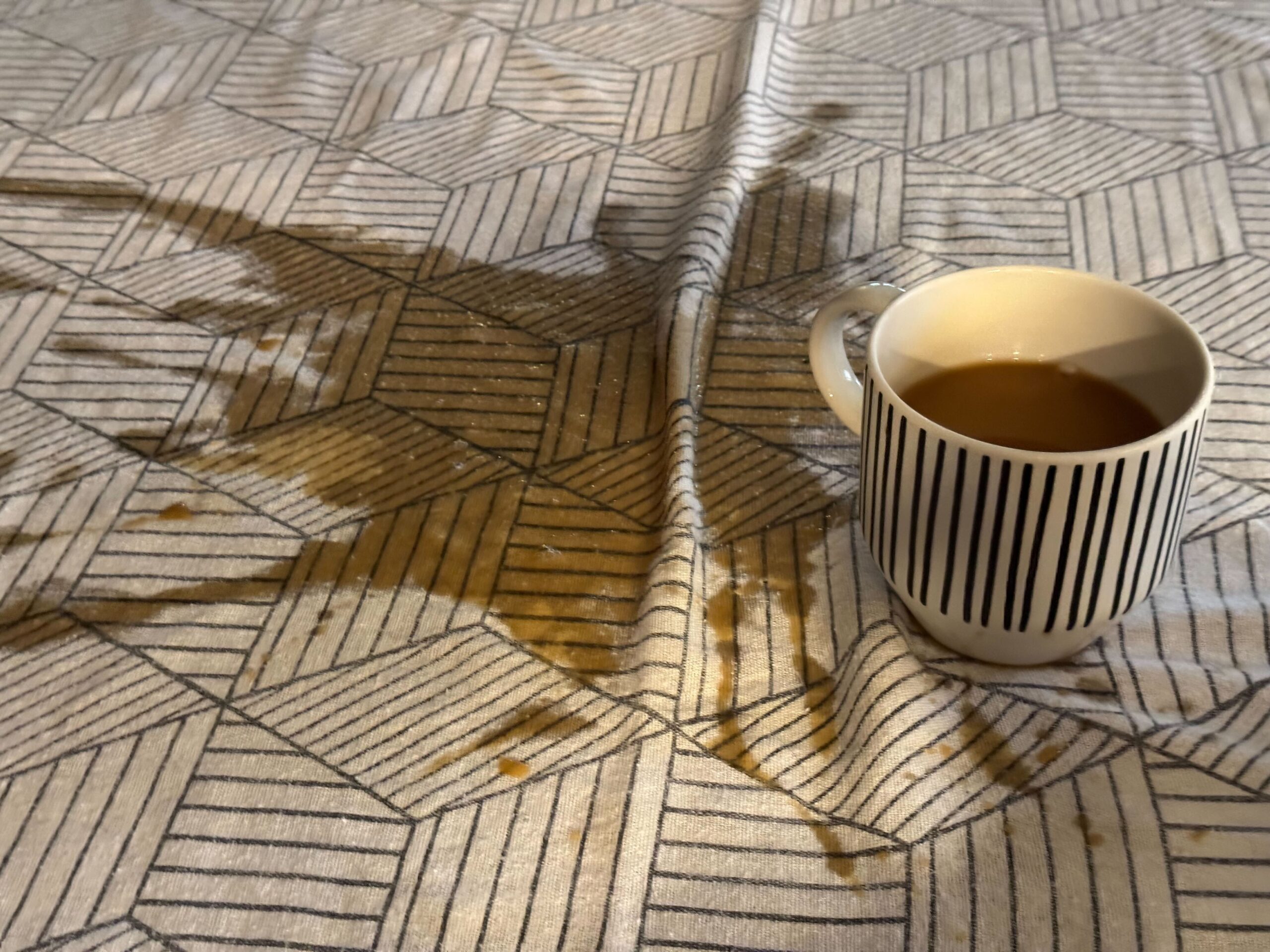
After I went to the gym last night, I fumbled my giant container of protein shake powder and spilled it all over the floor. This morning I knocked my coffee mug over. I often find my phone and other objects slipping from my hands. This clumsiness can be a nuisance. But I’ve also dropped vital prescription medication while trying to take it and even fumbled entire bottles of prescription meds.
Other aspects of hypersensitivity can be more difficult
Increased pain perception. While some autistic people may exhibit a higher tolerance for certain types of pain, many experience heightened pain sensitivity and may feel pain more intensely than others. This can manifest as a lower pain threshold or a prolonged experience of pain, even from stimuli that might others might find tolerable.
Heightened tactile sensitivity. Autistic people may experience heightened sensitivity to touch, pressure, and movement. This can lead to increased awareness of physical contact and, in some cases, discomfort or pain from specific textures of clothing or being jostled in crowds. Crowds are particularly tough for me due to my height (barely five feet tall).
Increased sensitivity to certain sounds. Sounds might seem louder to an autistic person, which might make them react to sounds more strongly. This is where my misophonia comes into play, personally.
Working with my neurologist, a physical therapist, and a personal trainer have helped manage these sensitivities to some extent but not everyone has access to these resources. Family members, friends, coworkers, and classmates have teased me about my clumsiness. I encourage others to consider the impact before commenting on someone else’s clumsiness or sensitivities.
In the Twin Cities, we are fortunate to have a wonderful organization called Minnestar:
Minnestar exists to build, nurture and engage those interested in technology through meaningful connection. Our goal is to promote connections that help our community learn from each other, build their businesses, and start new entrepreneurial ventures. We aim to foster a thriving and connected tech community for all in Minnesota.
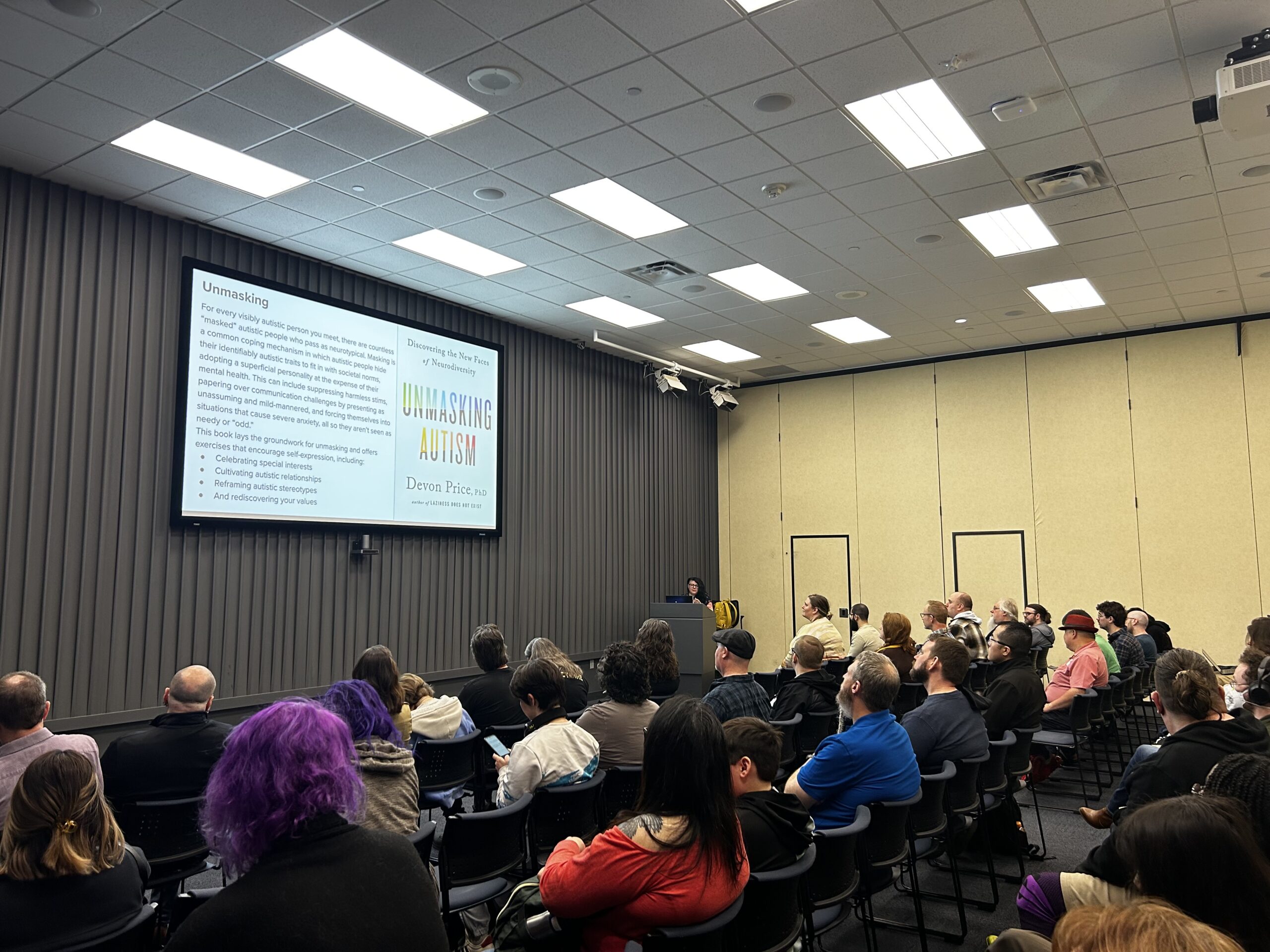
They put on the annual Minnebarunconference. I have been attending since the early days. Earlier in my career, I had issues with self-confidence and imposter syndrome. I never imagined I could be a presenter at Minnebar. It took decades of working in tech with years of running training sessions, teaching web development at the college level, and years of therapy. Then I realized I could, in fact, successfully present a session at Minnebar. I actually submitted my presentation idea while I was attending another event, the CSUN Assistive Technology Conference. The full title of my talk is a mouthful. Choose Your Own Adventure: Pros and Cons of a Formal Autism / ADHD Diagnosis vs Self-Diagnosis. Growing up, I was a huge fan of the Choose Your Own Adventure books.
The stories are formatted so that, after a few pages of reading, the protagonist faces two or three options, each of which leads to further pages and further options, and so on until they arrive at one of the many story endings.
I submitted my talk idea before the United States Secretary of Health and Human Services, RFK Jr., ramped up his misinformation campaign about autism and suggested creating a national registry to track those of us with ASD. What he and the Trump administration are doing is dangerous and wrong. I modified my talk somewhat in light of these developments. I delivered this talk in person on May 3rd, 2025 and went over these very real choose your own adventure options, walking through the Pros and Cons of:
A formal diagnosis through health insurance
A formal diagnosis through a private provider (out of pocket)
Self-diagnosis via vetted, trustworthy resources
While balancing the privacy implications of each with their potential benefits. I didn’t record my talk but I am sharing the slides. Last year I was invited to deliver a variation of this talk to another company’s Neurodivergent Employee Resource Group. I would be happy to speak to this or related topics at other organizations. Feel free to reach out to me at info@sharynmorrow.com.
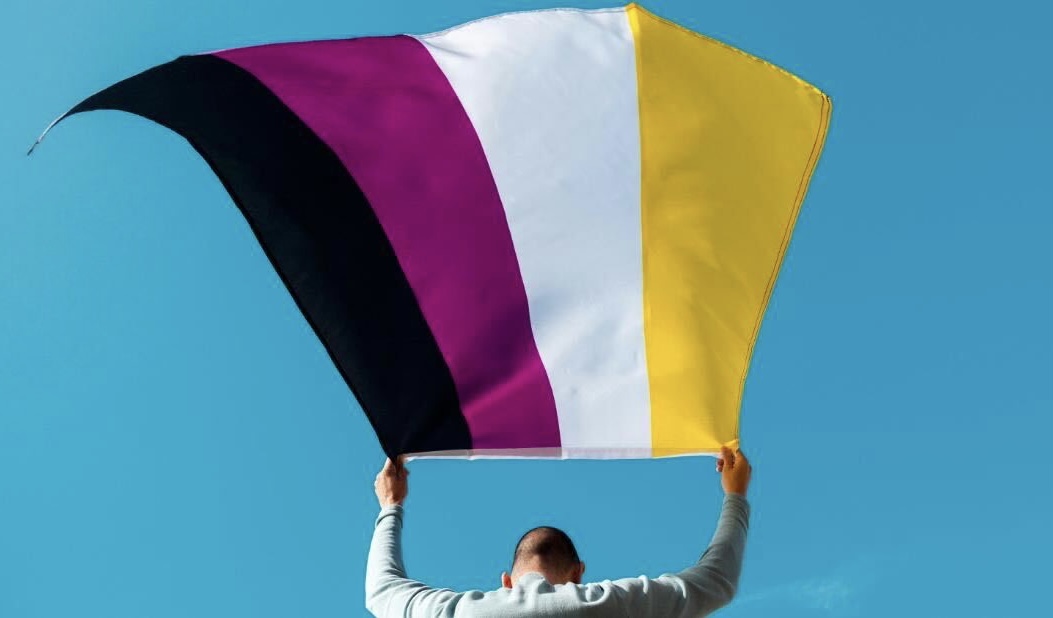
In June 2020, I had the option to renew my DL online, as it was. Or go in person to make any changes. At the time, we were still a year away from a COVID vaccine so I chose the physically safer option. But today, the wait was over. I was able to quickly change my gender designation to nonbinary. And update my photograph (my hair color and eyeglasses have changed 5 or 6 times in the last 8 years).
Since my last drivers license renewal, I’ve also been formally diagnosed with Autism and ADHD.
Studies suggest that individuals with gender and sexual identities outside the cis-hetero binary were also three to six times more likely to have a diagnosis of autism.
The Swaddle: The Link Between Neurodivergence and Queerness, Explained
This all serves to help me understand myself and feel more confident in myself. Happy Pride, all!